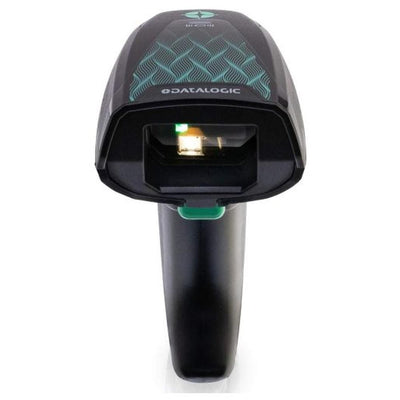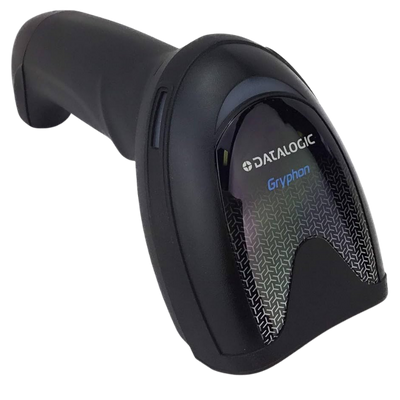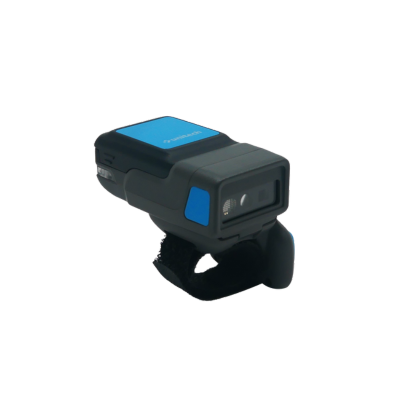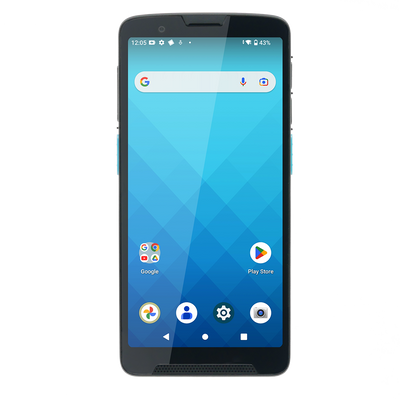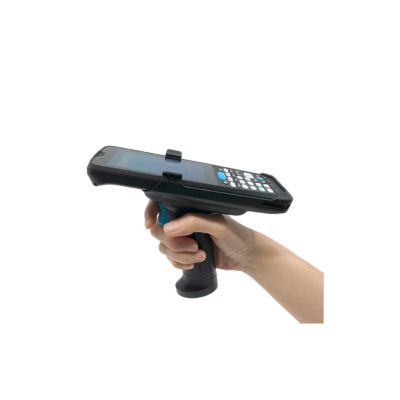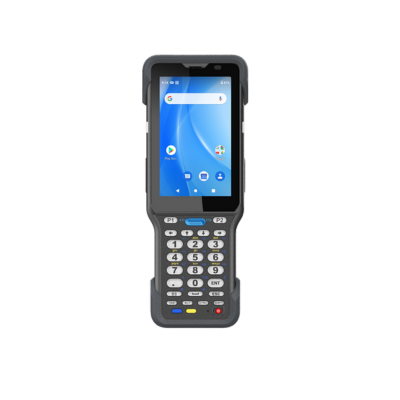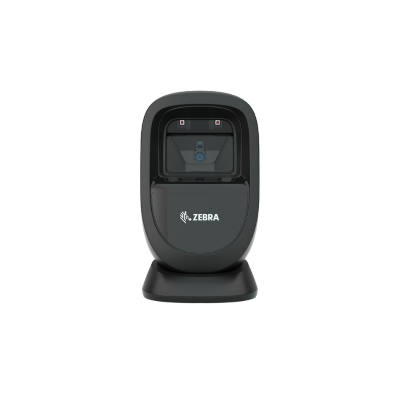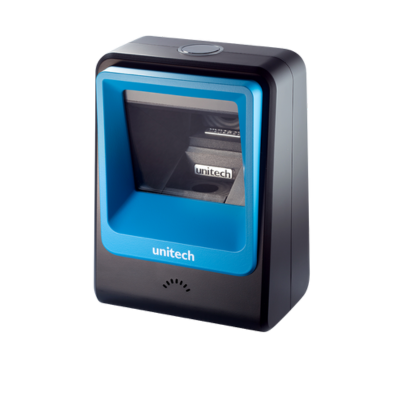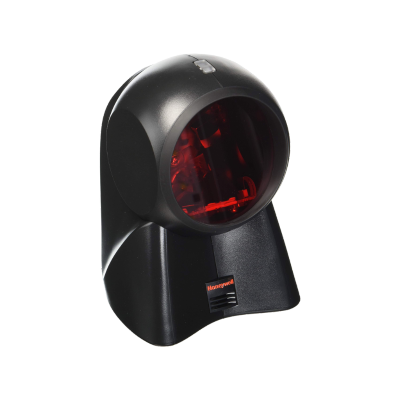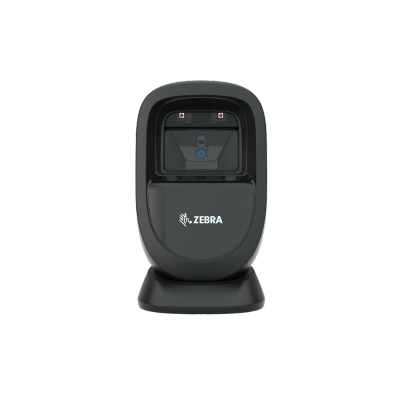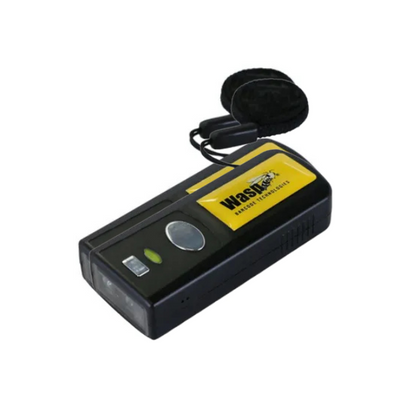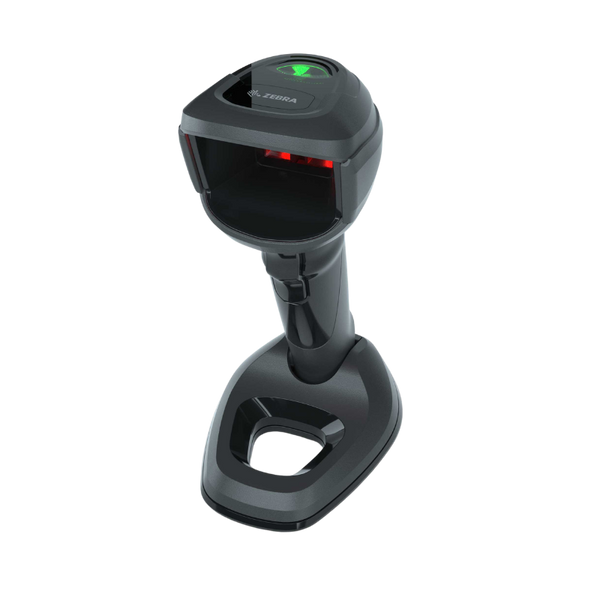
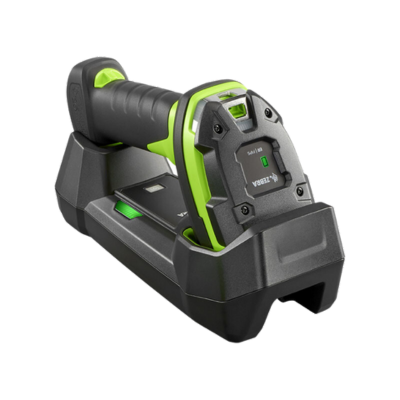
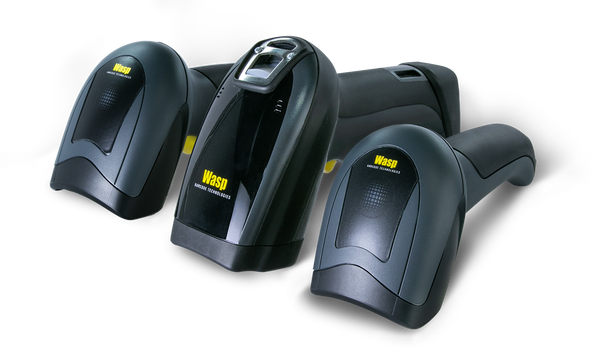
Barcode Scanning Solutions

The Right Scanner for Where the Work Happens

Counter, shop floor, warehouse and field scanning. Form factor and scan engine are chosen by where the operator stands and what they are reading, not by price alone.

2D Imagers Read Phone ScreensExtended Range for Rack LabelsRugged and Cold Storage OptionsCorded, Cordless and Wearable
The Right Scanner for Where the Work Happens
The Choice That Dates Fastest

1D Laser Scanners vs 2D Imagers

A 1D laser reads the traditional striped barcode and nothing else. A 2D imager reads those plus QR codes, Data Matrix and anything displayed on a phone screen. The price difference is small; the difference in what you can still do in three years is not.

1D Laser Scanner

Cheaper and perfectly capable, provided nothing you scan ever changes.

  • Reads striped 1D barcodes only
  • Cannot read QR codes or Data Matrix
  • Cannot read anything on a phone screen
  • Struggles with damaged, faded or wrinkled labels
  • Barcode must be roughly aligned with the beam
  • No image capture for proof or documentation
  • Rules out loyalty codes, mobile coupons and digital gift cards

2D Imager

Reads everything a laser reads, plus everything a laser cannot.

  • Reads 1D, QR, Data Matrix, PDF417 and Aztec
  • Reads codes shown on customer phone screens
  • Reconstructs partially damaged and low-contrast codes
  • Omnidirectional, so no alignment needed
  • Can capture images for proof of delivery or condition
  • Handles the codes your software may adopt later
  • Small price premium over an equivalent laser

If there is any chance you will accept a code on a phone screen, buy a 2D imager. Retrofitting the fleet later costs far more than the difference now.

How It Comes Together

Choosing a Scanner That Fits the Job

Scanner selection goes wrong in predictable ways: a laser where a phone screen needs reading, a standard range engine pointed at a rack label, or a retail scanner sent to a warehouse. Working through this order avoids all three.

01

Decide Where the Operator Stands

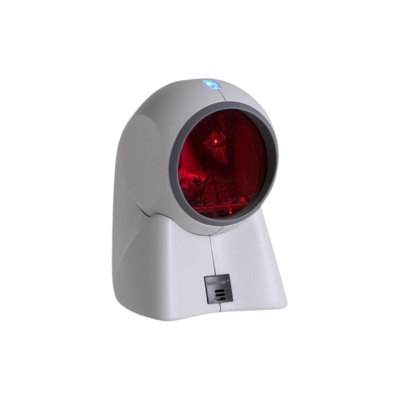
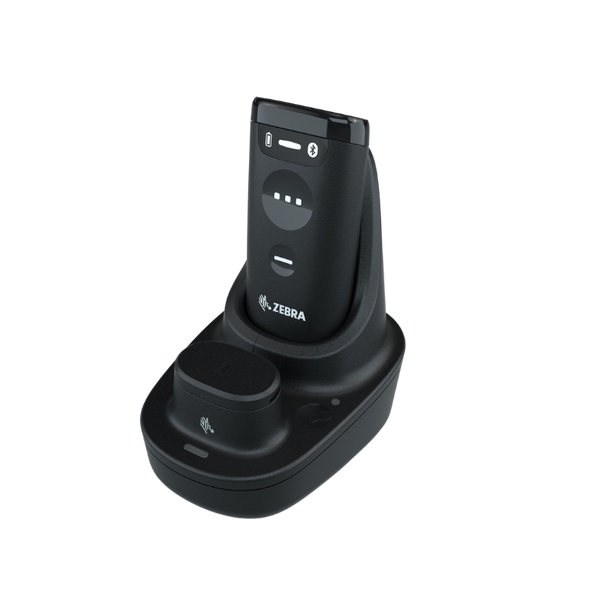
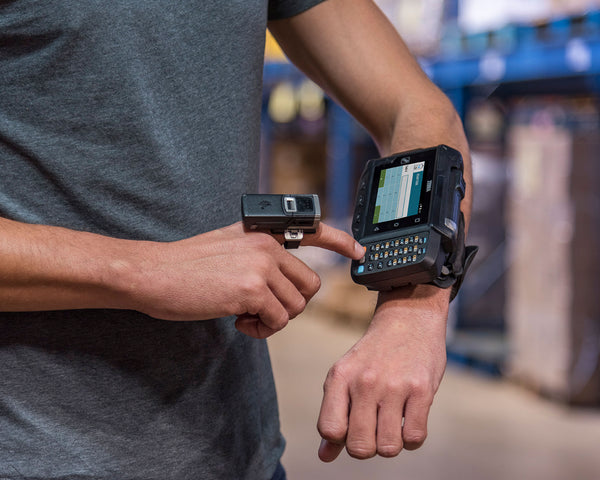
This chooses the form factor before anything else. At a fixed counter the product comes to the scanner, so a presentation model is best. On a shop floor the operator walks to the product, so cordless. In picking, both hands are needed, so a wearable or ring scanner.

What we need from you Where scanning happens and whether the operator is holding anything else.
02

Work Out What You Are Reading

Printed labels, phone screens, etched part marks and damaged cartons are four different problems. A 1D laser reads clean printed stripes and nothing else. A 2D imager reads phone screens and damaged codes. DPM engines read marks etched into metal.
What we need from you Whether you accept codes on phone screens, and whether any codes are etched or engraved.
03

Measure the Read Distance

Standard range reads at roughly arm's length. If operators are confirming rack locations from a forklift or reading labels several levels up, you need an extended or long-range engine, and that is a separate part number rather than a setting.

What we need from you The furthest distance you need to read from, and your highest rack level.
04

Match Durability to the Environment

A retail counter scanner in a warehouse fails within months. Look for a published drop rating and IP sealing where devices get dropped, and freezer configurations if any of the work happens below zero. Healthcare settings need disinfectant-ready housings.

What we need from you Where the scanner lives and what it is exposed to.
05

Confirm How the Software Receives Data

Most scanners present as a keyboard, which works with almost any software without a driver. Some applications expect serial emulation or an SDK instead. Getting this wrong means a scanner that reads perfectly and puts the data nowhere useful.

What we need from you The software name, and whether it expects keyboard wedge or something else.
Scanner part numbers vary by cable, cradle and firmware, and the same model ships in several configurations. Confirm the full part number against your software before ordering.

Check a Configuration

Best Selling Barcode Scanners

A scanner is the piece of hardware your staff touch most, thousands of times a day, and it is where cheap equipment shows first. Every brand we carry earns its place on decode speed with damaged and phone-screen barcodes, drop ratings that hold up to a real counter, and firmware still being updated years after purchase.

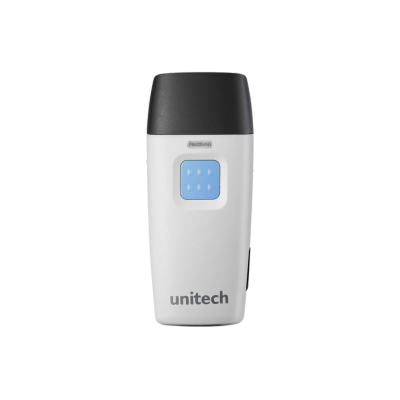
Barcode ScannersUnitech, MS633 Ring Scanner

Unitech, MS633 Ring Scanner

Unitech

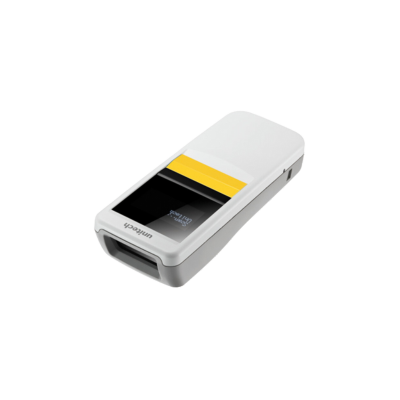
The MS633 ring scanner boasts a wearable design, providing unparalleled freedom of movement. This design allows for comfortable barcode scanning...

$405.00

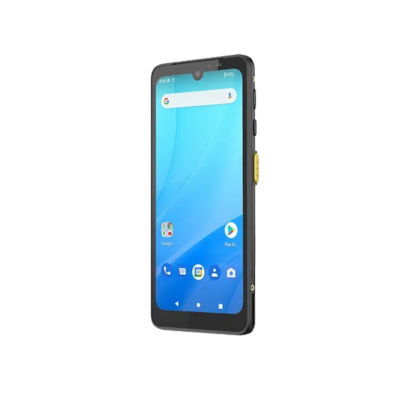
Mobile ComputersWasp, DR6 Mobile Computer

Wasp, DR6 Mobile Computer

Wasp

Wasp DR6 Rugged Android Mobile Computer Introduction The Wasp DR6 Rugged Mobile Computer is a powerful enterprise Android handheld designed...

Starting At

$1,045.00

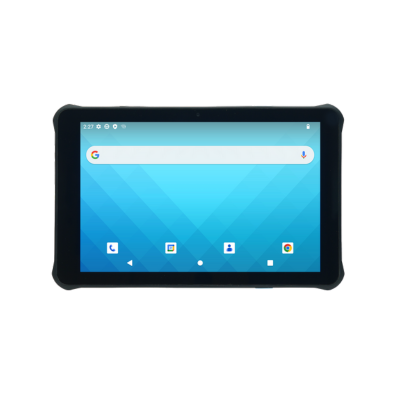
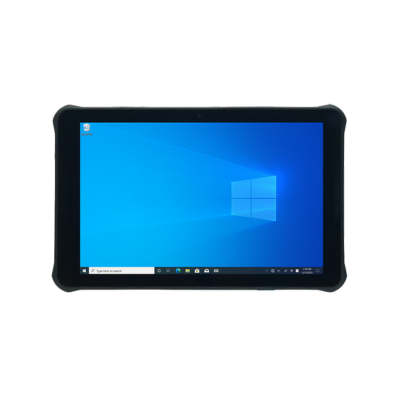
Mobile ComputersUnitech, RT112 Windows Tablet

Unitech, RT112 Windows Tablet

Unitech

Enhance indoor operations with the lightweight yet durable RT112 Windows tablet. Featuring a 10.1" touchscreen with 450-nit brightness, Wi-Fi 6E,...

Starting At

$1,144.54

No products found.

Select another filter or return to All Hardware.

Complete Systems

Scanning by Where You Stand

The first question is not brand or price. It is whether the product comes to the scanner, the scanner goes to the product, or the operator needs both hands free.

Counter Scanning System
Scanning SystemCounter

Counter Scanning System

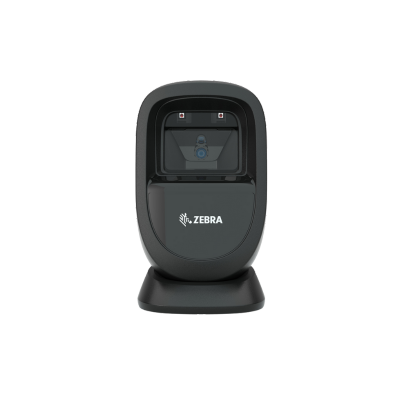
A fixed-station configuration for retail and hospitality checkout, built around hands-free scanning where the customer brings product to the counter.

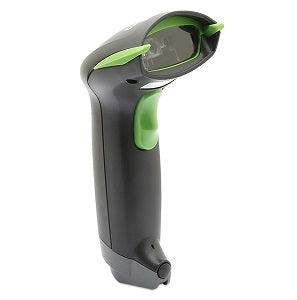
  • Presentation or corded handheld scanner
  • Counter stand and cable management
  • Phone-screen and loyalty code decoding
  • Programming and prefix configuration
2D ImagerHands-FreeUSBRetailHigh Volume
Request Counter System Quote
Mobile Scanning System
Scanning SystemMobile

Mobile Scanning System

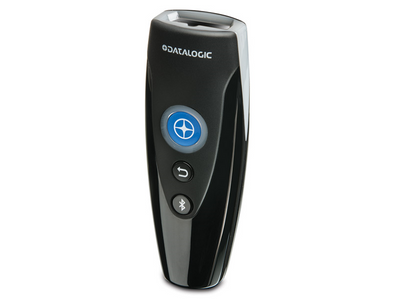
A cordless configuration for staff who walk to the product, covering aisle lookups, shelf edge work, curbside handoff and floor-based selling.

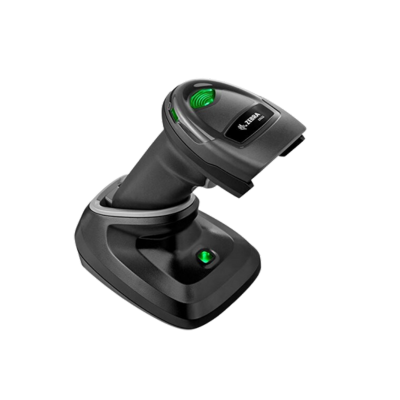
  • Cordless Bluetooth scanner
  • Charging cradle and spare battery
  • Pairing and out-of-range configuration
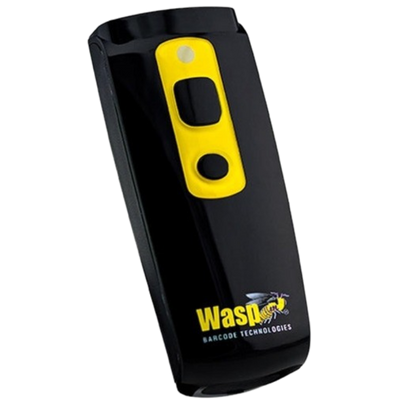
  • Optional companion pocket scanner
BluetoothCordlessAisle RangeBattery BackedFloor Staff
Request Mobile System Quote
Warehouse Scanning System
Scanning SystemWarehouse

Warehouse Scanning System

A rugged configuration for receiving, picking and shipping, where scanners are dropped, read at distance and used across full shifts.

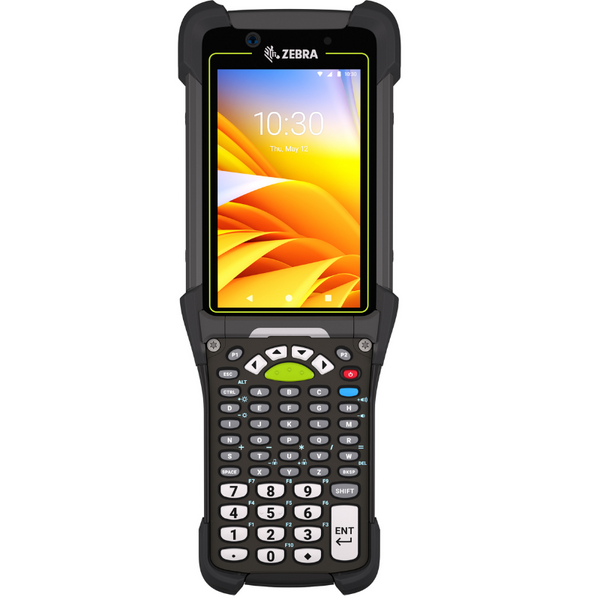
  • Rugged Android mobile computer
  • Extended-range scan engine
  • Multi-bay charging and spare batteries
  • Wi-Fi and software integration support
RuggedLong RangeAndroidWi-FiFull Shift
Request Warehouse System Quote

Equipping a team?

Tell us what you scan, where, and what software receives the data. Damaged labels, phone screens, etched parts and rack labels at distance all need different scan engines, and the wrong choice shows up as staff scanning three times per item.

Request a Recommendation

Barcode Scanning Questions

Scanner selection goes wrong in predictable ways. These are the ones worth avoiding.

Do we need a 2D scanner or will a 1D laser do?

If you accept loyalty codes, mobile coupons or digital gift cards, you need 2D. A 1D laser cannot read a code displayed on a phone screen at all, and it cannot read QR codes or Data Matrix.

A 2D imager also handles damaged, faded and wrinkled labels far better, because it reconstructs the code from an image rather than needing a clean sweep of the beam.

The price difference is small and the failure happens in front of a customer, so 2D is the safer default for anything modern.

Corded or cordless?

Corded is cheaper, never needs charging and cannot be lost. It suits fixed counters and pack benches where the scanner never moves.

Cordless suits anywhere the operator walks to the product: shop floor, stockroom, receiving. Look for batch memory so it keeps working out of Bluetooth range and uploads when it reconnects, which matters in basements and large buildings.

Cordless adds a charging cradle and a battery to manage, so only choose it where the mobility is genuinely used.

How do I know if I need a long-range scanner?

Measure from where the operator stands to the furthest label they need to read. A standard-range engine works at roughly arm's length and simply will not decode a label several metres away.

Extended and long-range engines are separate part numbers rather than a configuration setting, so this has to be decided before ordering. Getting it wrong shows up as staff climbing down from forklifts or keying location numbers by hand.

Our scanner will not read damaged or dirty labels

That is usually a 1D laser reaching its limit. A laser needs a clean, continuous sweep across the bars, so a scuffed, wrinkled or partly torn label defeats it.

A 2D imager photographs the code and reconstructs it, so it tolerates damage, low contrast and awkward angles far better. On receiving docks, where carton labels arrive scuffed and shrink-wrapped, this is the single biggest improvement you can make.

Will the scanner work with our software?

Usually yes. Most scanners present as a keyboard, so the barcode appears wherever the cursor is and no driver is needed. That works with almost any software.

The exceptions are applications expecting serial emulation or their own SDK, and mobile apps that need a specific pairing mode. Send us the software name and we will confirm before you order.

Which manufacturers do you carry for scanning?

Zebra, Honeywell and Datalogic across retail, warehouse and industrial. Unitech, Wasp and Socket Mobile where cost or a specific form factor matters.

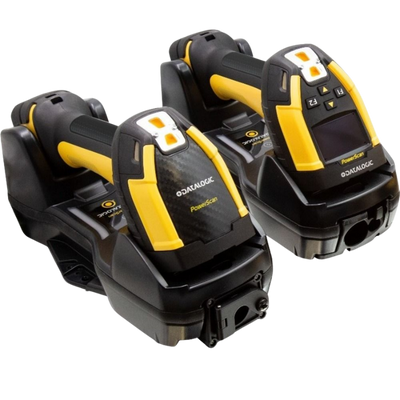
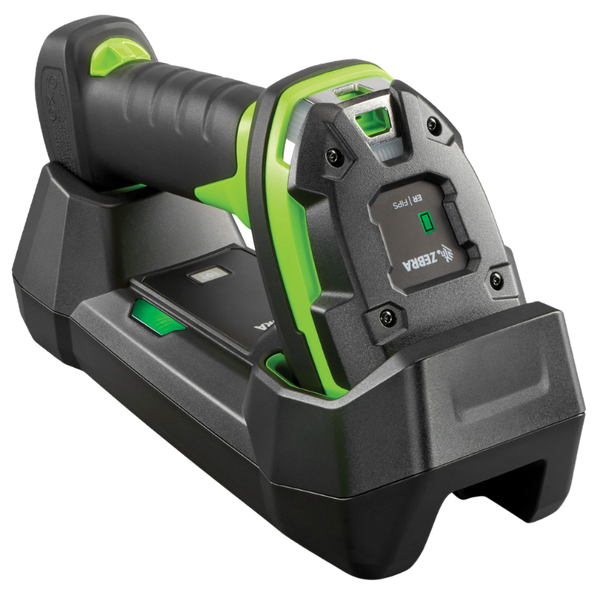
For industrial work, the Zebra DS3600 family, Honeywell Granit and Datalogic PowerScan are the ranges built for repeated drops and long range. Browse industrial barcode scanners.

Hardware Selection Support

Not sure which model is right?

Send us what you are trying to do and we will come back with a specific recommendation rather than a catalogue. If you are replacing equipment, a model number or a photo of the existing setup is usually enough to work from.

  • Solutions experts on staff to answer your hardware questions
  • 30 day return policy, excluding consumables
  • In-stock items ship same day when ordered by 4:00pm Eastern
  • Volume and multi-location pricing reviewed on request

Ask a Question

We usually respond within 10 minutes on weekdays.

We use your details to answer your enquiry and nothing else.