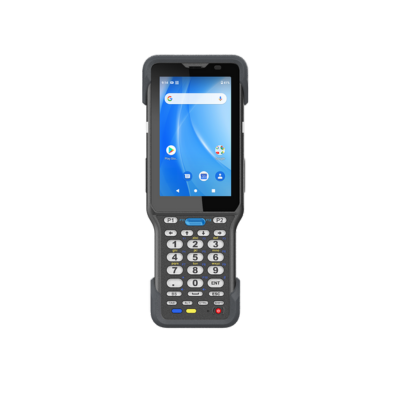
Ultra-rugged mobile computer
Unitech HT730P
Industrial pistol-grip Android mobile computer for intensive scanning, long-range capture and demanding warehouse operations.
View Product
Compare commercial barcode scanners, rugged industrial scanners, presentation scanners, Bluetooth scanners, wearable ring scanners and mobile computers for point of sale, inventory, receiving, picking, manufacturing, healthcare and field service workflows.

Start with the scanner form factor, then narrow the selection by barcode type, connection method, scanning range, durability, operating environment and software requirements.
Compare popular rugged mobile computers, wearable computers, handheld mobile computers, industrial barcode scanners and complete hardware bundles for warehouse, inventory, asset tracking, manufacturing and field workflows.
Ultra-rugged keypad and pistol-grip mobile computers support high-volume scanning, receiving, picking, manufacturing, cold storage and long-range warehouse workflows.
Industrial pistol-grip Android mobile computer for intensive scanning, long-range capture and demanding warehouse operations.
View Product
Rugged Android mobile computer with integrated 2D scanning for inventory, logistics and asset-tracking workflows.
View Product
Ultra-rugged keypad mobile computer for warehouse, manufacturing, freezer and extended-range scanning applications.
View ProductHands-free wearable computers improve picking, packing, replenishment, sortation and inventory workflows when paired with ring scanners and wearable accessories.
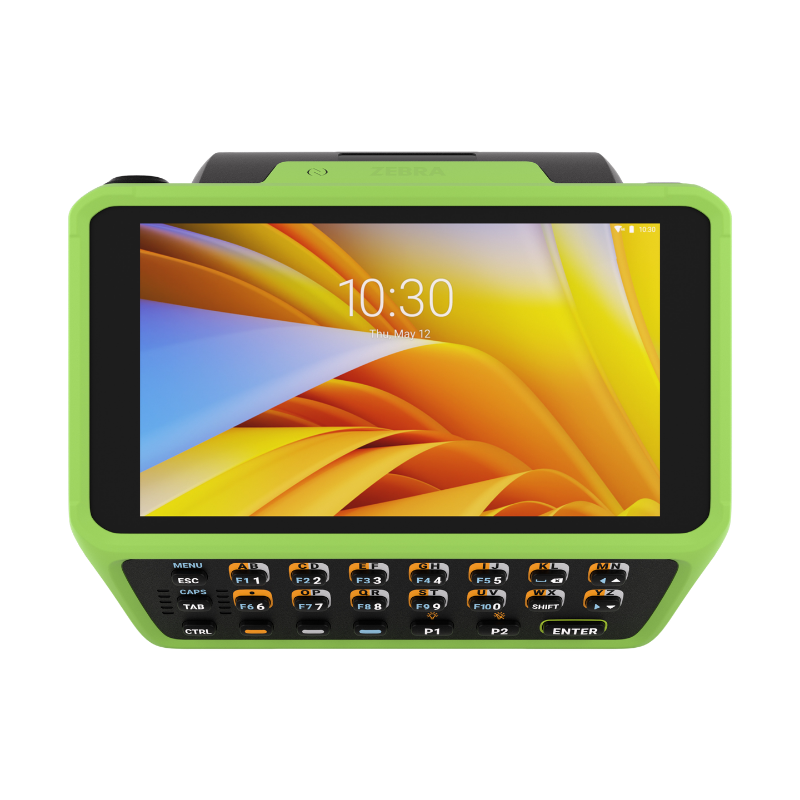
Wearable Android computer for high-volume hands-free picking, packing, sortation and warehouse fulfillment.
View Product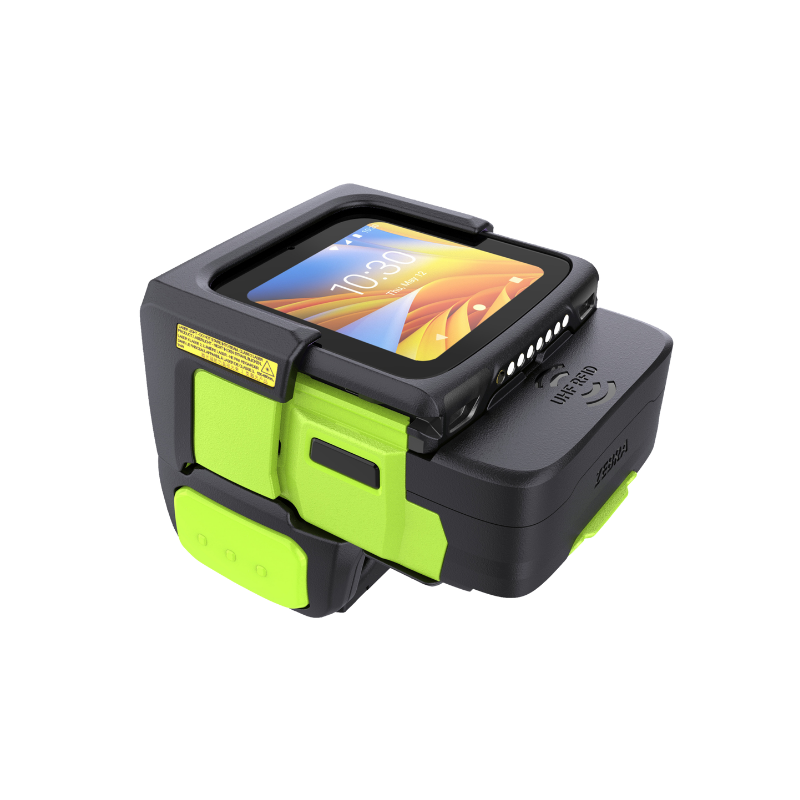
Compact wearable computer combining Android, scanning, display, wireless connectivity and battery power in one device.
View Product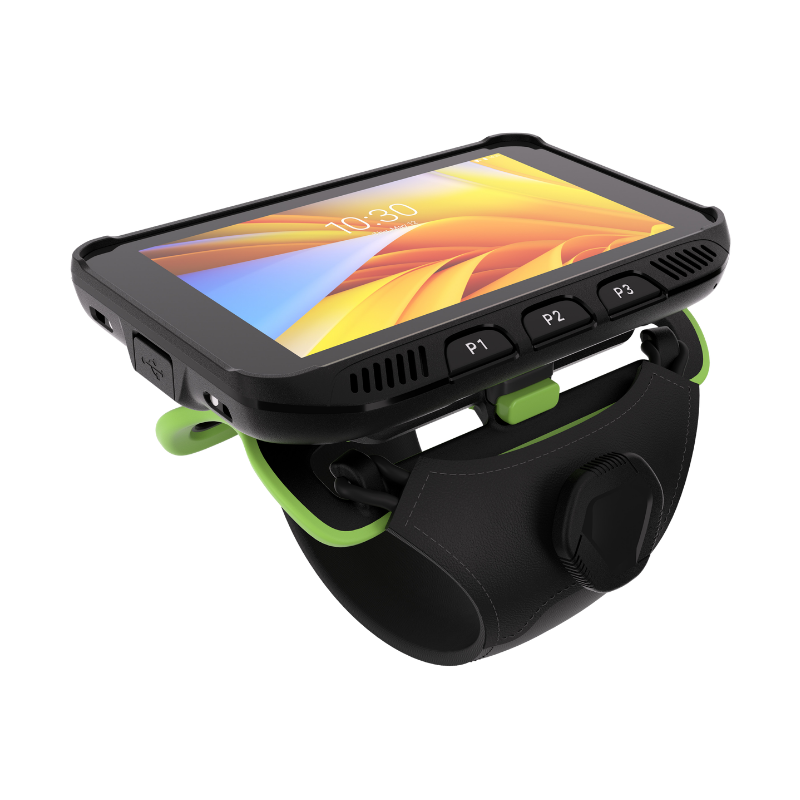
Wearable computer for retail fulfillment, warehouse picking, packing, replenishment and inventory tasks.
View ProductTouchscreen handheld mobile computers combine enterprise Android, wireless connectivity and integrated barcode scanning for inventory, field service and mobile workflows.

Rugged Android handheld mobile computer for inventory, asset tracking, warehouse mobility and field applications.
View Product
Rugged Android mobile computer for inventory, receiving, asset tracking and warehouse barcode scanning.
View ProductCompact enterprise mobile computer for retail, inventory, logistics and field applications requiring integrated barcode capture.
View ProductIndustrial cordless scanners withstand drops, dust, moisture and demanding daily use across warehouses, loading docks, manufacturing plants and outdoor operations.
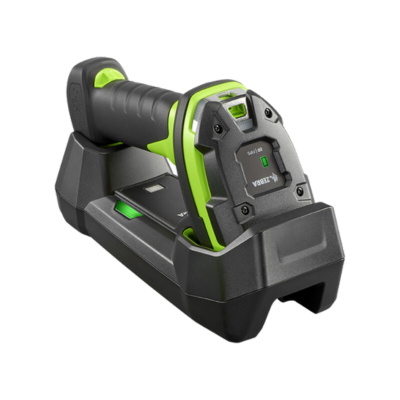
Industrial Bluetooth scanner for intensive warehouse, dock, manufacturing and long-range barcode capture workflows.
View ProductUltra-rugged cordless scanner for receiving, picking, dock scanning and demanding warehouse environments.
View Product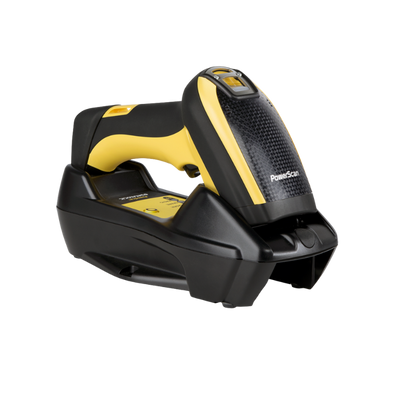
Rugged cordless industrial scanner kit for demanding 1D and 2D barcode capture in warehouse and manufacturing operations.
View ProductPreconfigured bundles combine mobile computers, barcode scanners, label printers and labels for faster deployment of asset tracking and inventory workflows.
Complete bundle combining a Wasp DR6 mobile computer, WPL308 label printer and asset labels.
View Bundle
Desktop asset tracking package with a WPL304 printer, WWS210 barcode scanner and labels.
View Bundle
Tablet-based asset tracking bundle with a WT10 tablet, WPL308 Plus printer and labels.
View BundleExplore two versatile Unitech devices designed for barcode scanning, inventory control, warehouse mobility, field service, manufacturing, transportation and other commercial data-capture workflows.

A lightweight 10.1-inch rugged Android tablet with modern wireless connectivity and full-shift battery performance for warehouse, manufacturing, logistics, transportation and field-service applications.

A rugged Android mobile computer with an integrated 1D and 2D barcode scanner, physical keypad and removable battery for warehouse, inventory, manufacturing, transportation and field workflows.
Compare scanner types, mobile computer form factors, wireless options, durability ratings and warehouse workflows before selecting hardware for inventory, asset tracking, manufacturing, retail or field operations.
Compare handheld, presentation, cordless and industrial barcode scanners by range, interface, barcode type and operating environment.
Read the GuideReview handheld, pistol-grip, keypad and touchscreen mobile computers for receiving, picking, cycle counting and field data collection.
Explore Mobile ComputersExplore wrist-mounted computers, all-in-one wearables and ring-scanner workflows for faster picking, packing, sortation and replenishment.
Explore WearablesCompare industrial Bluetooth scanners for receiving docks, forklifts, manufacturing floors, cold storage and extended-range barcode capture.
Shop Rugged ScannersExplore barcode scanners, rugged mobile computers, tablets and wearable data-capture hardware from established manufacturers serving warehouse, retail, manufacturing and field-service applications.

Barcode scanning, mobile computing and bundled hardware for inventory control and asset tracking.

Enterprise scanners, mobile computers, tablets and wearables for demanding data-capture workflows.

Premium handheld, presentation and industrial scanning solutions for retail and warehouse applications.

Rugged mobile computers, enterprise tablets and barcode scanners for warehouse and field workflows.