
Barcode Labelling Hardware

The Label Has to Outlive the Process

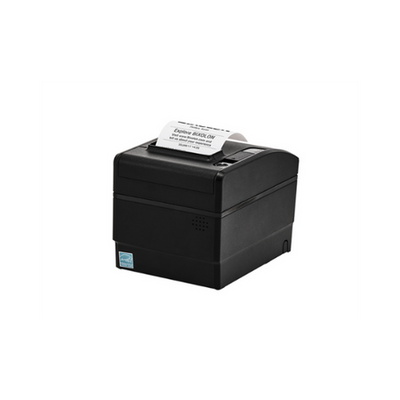
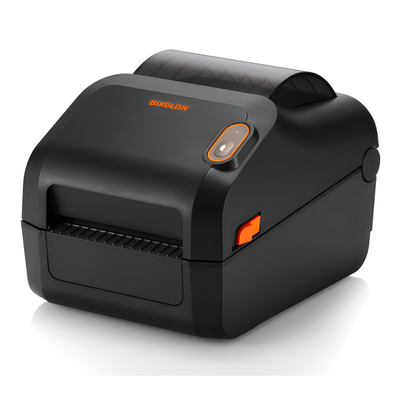
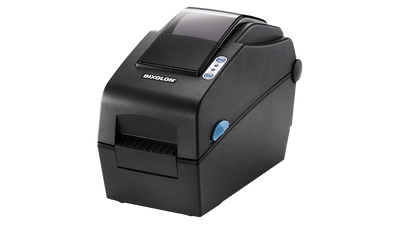
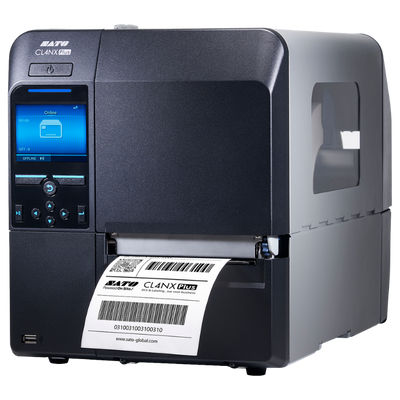
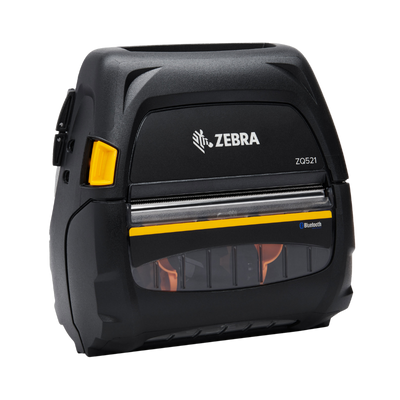
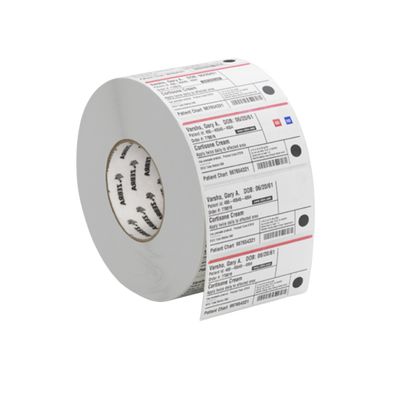
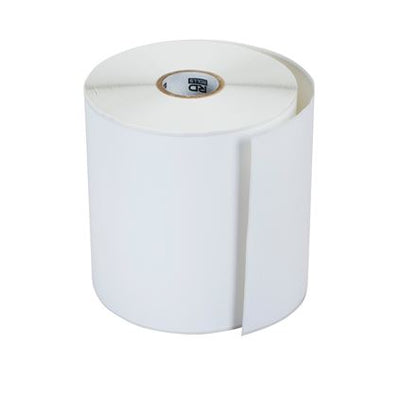
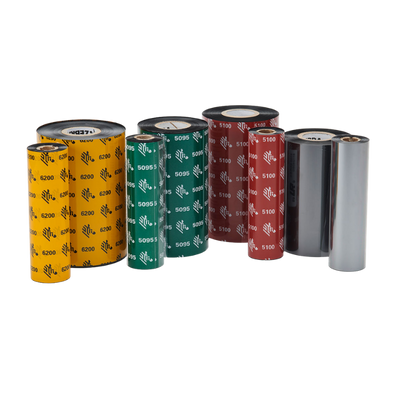
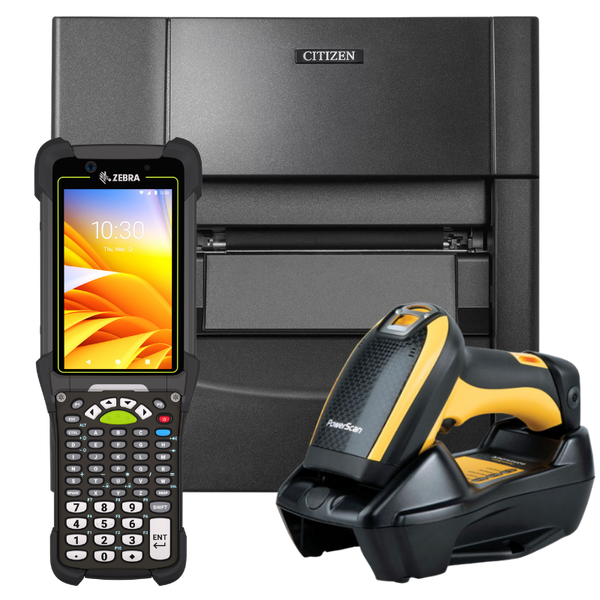
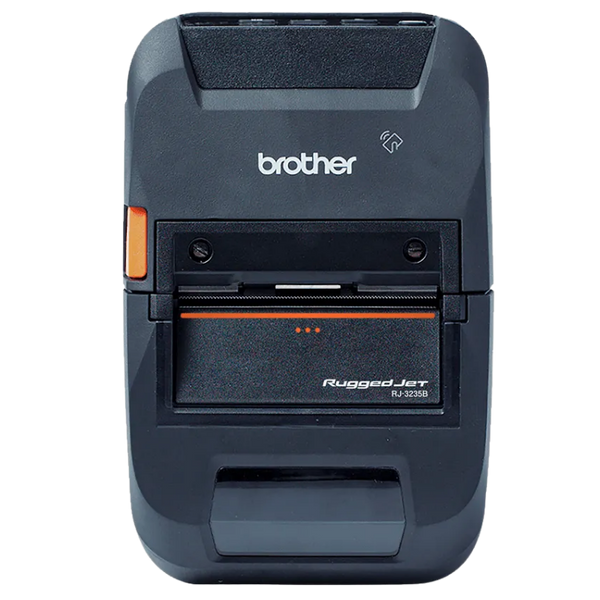
Label printers, media and ribbons matched to what the label has to survive. Direct thermal for short-life shipping and pick labels, thermal transfer where the print must still be readable in a year.

Direct Thermal or Thermal TransferPaper, Polypropylene and PolyesterMatched Ribbons for Every MaterialDesktop, Industrial and Mobile Printing
The Label Has to Outlive the Process
How It Comes Together

Specifying a Label That Lasts

Almost every labelling problem traces back to a material chosen on price rather than against the job. Working in this order avoids reprinting several thousand labels.

01

How Long Must It Last?

This single question decides print method. A shipping label needs to survive days, so direct thermal is cheaper and needs no ribbon. An asset or compliance label needs years, which means thermal transfer, because direct thermal fades with heat and light.

What we need from you The realistic lifespan of the label, and whether it will see sunlight or heat.
02

What Is It Sticking To?

Adhesive fails more often than facestock. Oily metal, powder coating, textured plastic and chilled surfaces all behave differently, and a general-purpose permanent adhesive applied to a contaminated surface will lift within weeks.

What we need from you The surface material and whether it is clean, oily, cold or curved.
03

Match Material and Ribbon

The two have to agree. Paper takes wax. Coated and synthetic stock needs wax-resin. Polyester, polyimide and anything facing solvents needs resin. Wax ribbon on polyester produces print that wipes off with a thumb, which is the most common labelling mistake we see.

What we need from you Nothing extra - the answers to steps one and two determine this.
04

Size the Printer to the Volume

Desktop printers suit a counter or workstation running intermittently. A production line or shipping bench needs an industrial printer with a metal chassis and larger media capacity, because desktop units fail within months under continuous duty. Resolution matters too: 203 dpi for standard barcodes, 300 dpi for small text and dense 2D codes.

What we need from you Rough daily label volume and the smallest text or code you need to print.
05

Verify, Then Standardise the Reorder

Check the print quality against the standard you are being held to, not by eye. Then record the exact media and ribbon part numbers so reorders match what is already on your stock rather than something close to it.

What we need from you Any carrier or customer specification you have to meet.

If the requirement is unusual, we would rather run a sample through your process than guess from a datasheet. Test data beats specification sheets every time.

Request a Media Sample
Browse the Catalog

Labelling Hardware and Media

Printers, labels and ribbons. If you are unsure which material and ribbon pair together, the FAQ below covers it.

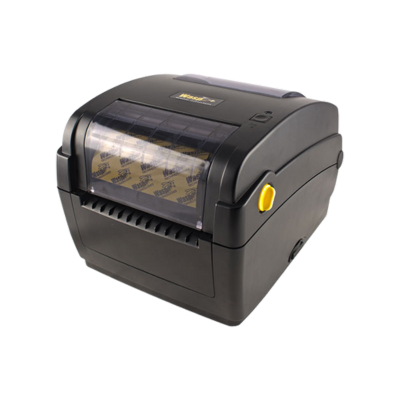
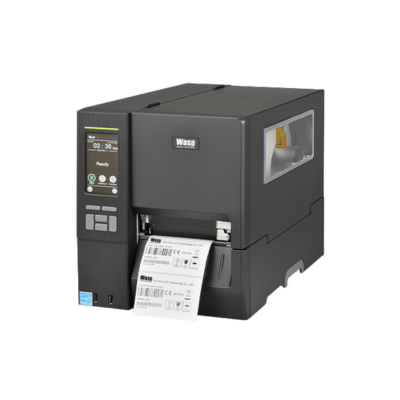
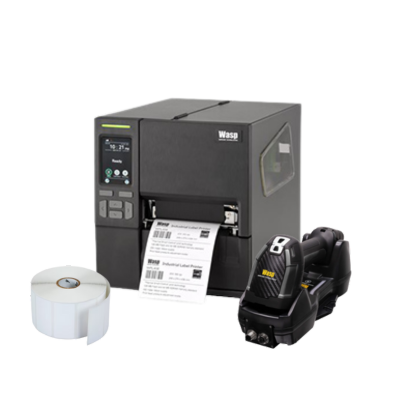
Label PrintersWasp, WPL304 Plus, Label Printer

Wasp, WPL304 Plus, Label Printer

Wasp

Featuring direct thermal and thermal transfer barcode label printing technology and best in class standard connectivity options (Ethernet, USB, Serial, and Parallel),...

Starting At

$426.64

Desktop Label PrintersWasp, WPL304 Plus, Label Printer

Wasp, WPL304 Plus, Label Printer

Wasp

Featuring direct thermal and thermal transfer barcode label printing technology and best in class standard connectivity options (Ethernet, USB, Serial, and Parallel),...

Starting At

$426.64

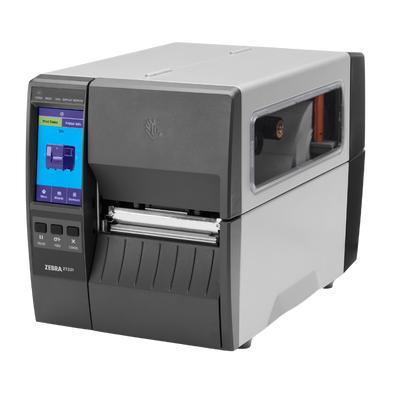
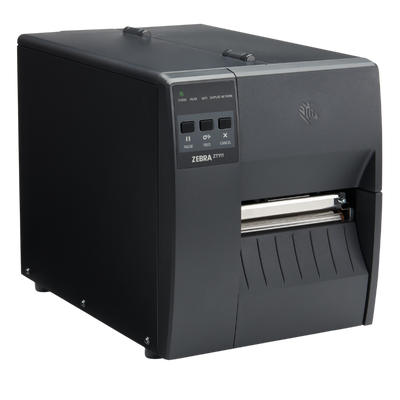
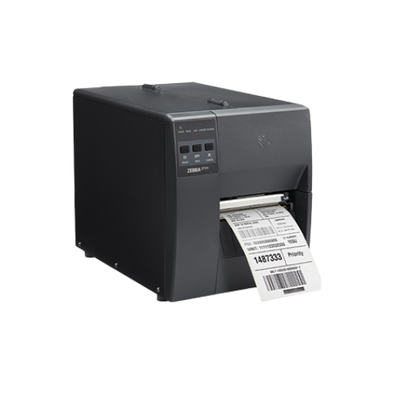
Industrial Label PrintersZebra, ZT111 Label Printer

Zebra, ZT111 Label Printer

Zebra

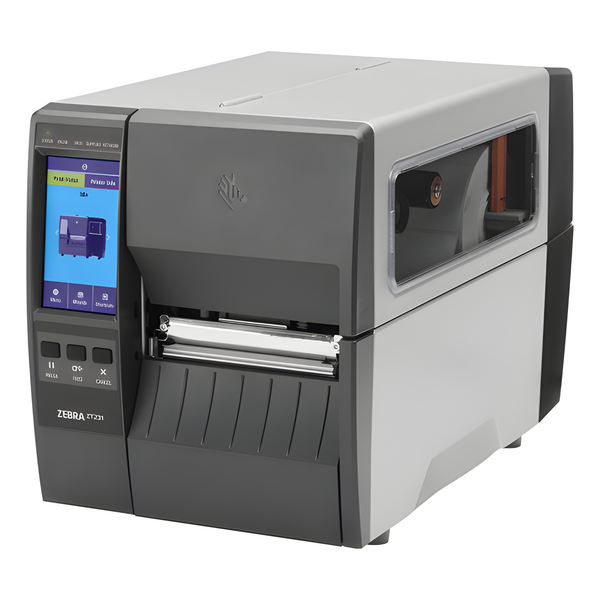
Zebra ZT111 4-Inch Industrial Label Printer Introduction The Zebra ZT111 is an affordable light-industrial barcode label printer designed for businesses...

Starting At

$938.50

No products found.

Select another filter or return to All Hardware.

Complete Systems

Printer, Media and Ribbon Together

A label printer is only half a system. The media and ribbon decide whether the print survives, and the three have to be specified together rather than reordered separately later.

Warehouse Labelling System
Warehouse SystemLabelling

Warehouse Labelling System

Print and verify in one place. An industrial printer with matched media and a scanner to check what came out, which is how you catch a failing printhead before the carrier does.

  • Industrial 4 inch label printer, 203 or 300 dpi
  • Matched labels and thermal transfer ribbon
  • Handheld verification scanner
  • Spare printhead and cleaning supplies
Industrial PrinterMatched MediaPrint VerificationCarrier CompliantShipping
Request Labelling System Quote
Mobile Asset Tracking
Asset Tracking SystemPrint on Site

Mobile Asset Tracking

Create the asset record and print its label standing in front of the equipment. A handheld paired with a mobile label printer means the identifier goes on immediately, so the record is correct by construction rather than matched up later from a sheet of pre-printed labels.

  • Rugged handheld with 2D imager
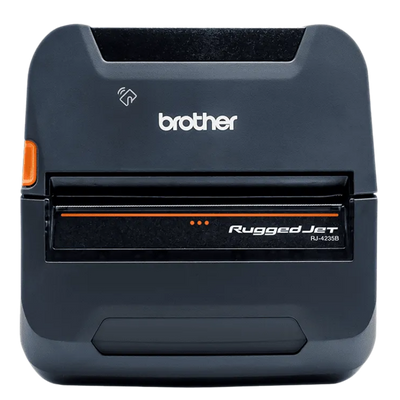
  • Mobile label printer, thermal transfer capable
  • Polyester asset label stock with resin ribbon
  • Belt clip, charger and spare battery
Print at the AssetThermal TransferPolyester Labels2D ImagerField Deployable
Request Mobile System Quote
Advanced Warehouse Labeling System
Barcode Labeling SystemAdvanced

Advanced Warehouse Labeling System

A higher-volume barcode labeling configuration for receiving, inventory control, shipping, carton labeling and daily warehouse operations.

  • Industrial thermal-transfer label printer
  • Rugged wireless barcode scanner
  • Warehouse labels and matching ribbons
  • Ethernet, USB or optional wireless connectivity
Industrial Printer300 DPI OptionThermal TransferBluetooth ScannerWarehouse Ready
Request Advanced System Quote

Labelling to a customer or carrier standard?

Send us the specification you have been given, whether that is a carrier label format, a retailer compliance requirement or a marking standard. We will match printer resolution, media and ribbon to it and confirm the output before you commit to volume.

Request a Specification Review

Barcode Labelling Questions

The specification decisions that are fixed at purchase, and the ones that cause labels to fail in the field.

Direct thermal or thermal transfer?

Direct thermal burns the image into a heat-sensitive coating. No ribbon, cheaper to run, but the print fades with heat, sunlight and abrasion. Fine for shipping labels, pick tickets and anything with a short life.

Thermal transfer melts ink from a ribbon onto the label. It costs more per label but the print lasts years. Required for asset tags, compliance labels, anything outdoors and anything on polyester.

Print method is fixed at manufacture. A direct thermal printer cannot be converted to thermal transfer later, so this is a purchase decision rather than a setting.

Which ribbon goes with which label?

Match the ribbon to the label material, not to the printer.

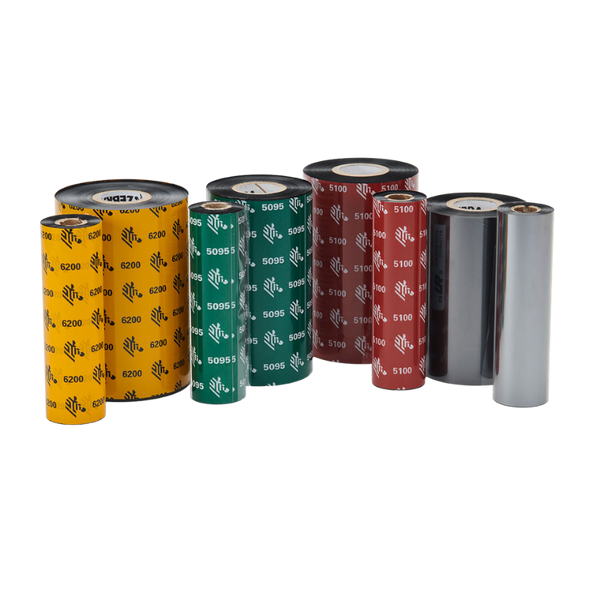
Wax for paper labels and general indoor use. Cheapest, but scuffs easily. Wax-resin for coated paper and synthetics facing light abrasion. Resin for polyester, polyimide and anything meeting solvents, heat or sunlight.

Getting this wrong is the most common labelling failure we see: wax ribbon on polyester produces print that wipes off with a thumb. It looks perfect coming out of the printer and fails a week later.

Browse thermal transfer ribbons.

Which label material should I use?

Paper for shipping, picking and anything short-life indoors. Polypropylene for moisture resistance at moderate cost, common on food and retail products. Polyester for asset tags, outdoor use and chemical exposure. Polyimide for high heat such as reflow ovens and powder coating.

The adhesive matters as much as the facestock. Freezer stock needs freezer-grade adhesive applied at temperature; oily surfaces need a specific formulation; removable adhesive exists where the label must come off cleanly later.

Do I need 203 or 300 dpi?

203 dpi is right for most work: standard 1D barcodes, shipping labels, shelf tickets and normal text. It prints faster and costs less.

300 dpi is needed when you are printing small text, dense 2D codes such as Data Matrix, or very small labels where the barcode has to fit in a few millimetres. Jewellery tags, electronics and pharmaceutical labelling usually need it.

Resolution is fixed at purchase, so if there is any chance of small-format labelling later, specify 300 dpi now.

Desktop or industrial printer?

Desktop printers suit a counter or workstation printing intermittently. Industrial printers have a metal chassis, take much larger media and ribbon rolls, and are rated for continuous shift printing.

The practical difference is reload frequency and lifespan. A desktop printer on a production line typically fails within months, and even before that the constant media changes interrupt the line. If you are printing all day, buy industrial.

Browse desktop and industrial label printers.

Why has our print quality got worse?

Almost always the printhead. It is a consumable rated in kilometres of media, not a fault item, and as it wears it produces small voids that scan fine close up and fail at a carrier hub or on a production line.

Check for a thin white line running the length of the label, which indicates a failed element. Clean the head with a proper cleaning pen or swab rather than anything abrasive, and keep a spare on the shelf for high-volume printers.

Browse print heads and cleaning supplies.

Why is the carrier rejecting our shipping labels?

Usually print quality rather than format. A worn printhead produces voids that your own scanner reads at close range and a carrier hub scanner, reading at speed and distance, does not.

Check the printhead first, then the media. Using a label narrower than the print width, or a mismatched liner, can also cause tracking issues that distort the barcode. Verify against the carrier specification rather than by eye.

Which manufacturers do you carry for labelling?

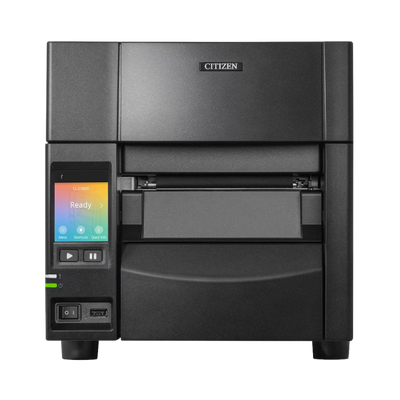
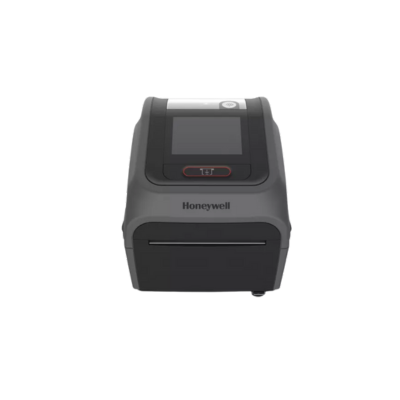
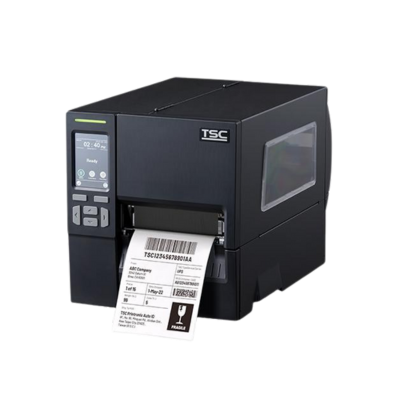
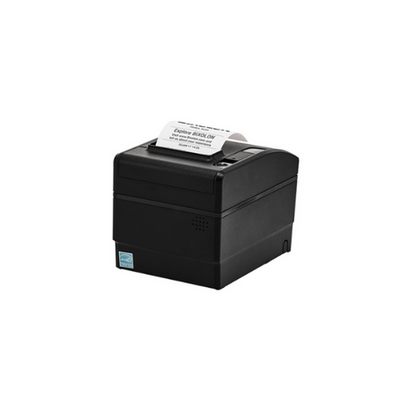
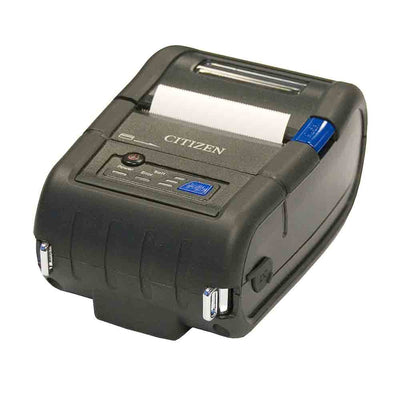
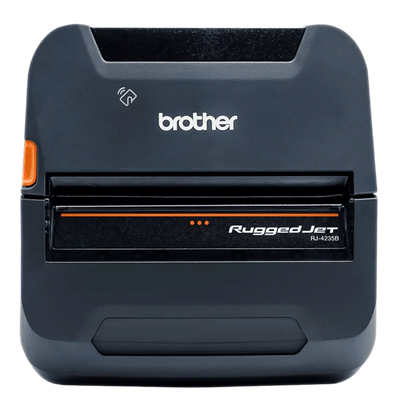
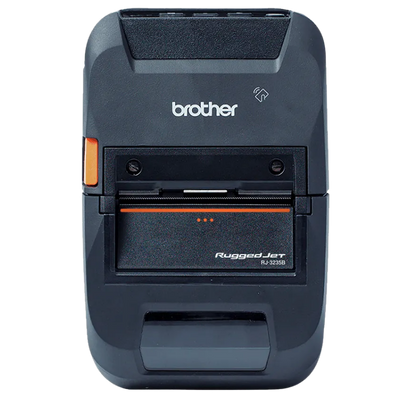
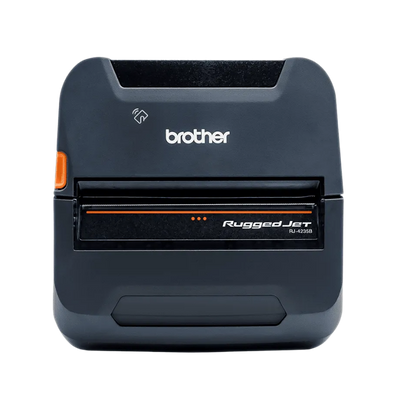
Zebra, SATO, TSC, Citizen, Honeywell and Brother for mobile labelling.

We also carry the consumables that keep them running: labels, ribbons, print heads and cleaning supplies.

Genuine and compatible media are both available. Compatible stock costs less; genuine is worth it where a manufacturer warranty or a marking standard is involved.

Hardware Selection Support

Not sure which model is right?

Send us what you are trying to do and we will come back with a specific recommendation rather than a catalogue. If you are replacing equipment, a model number or a photo of the existing setup is usually enough to work from.

  • Solutions experts on staff to answer your hardware questions
  • 30 day return policy, excluding consumables
  • In-stock items ship same day when ordered by 4:00pm Eastern
  • Volume and multi-location pricing reviewed on request

Ask a Question

We usually respond within 10 minutes on weekdays.

We use your details to answer your enquiry and nothing else.