WMS Hardware

Hardware That Keeps Up With Your WMS

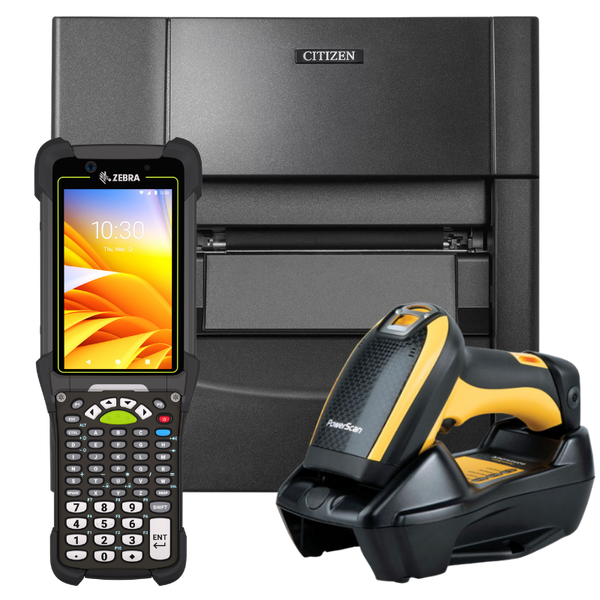
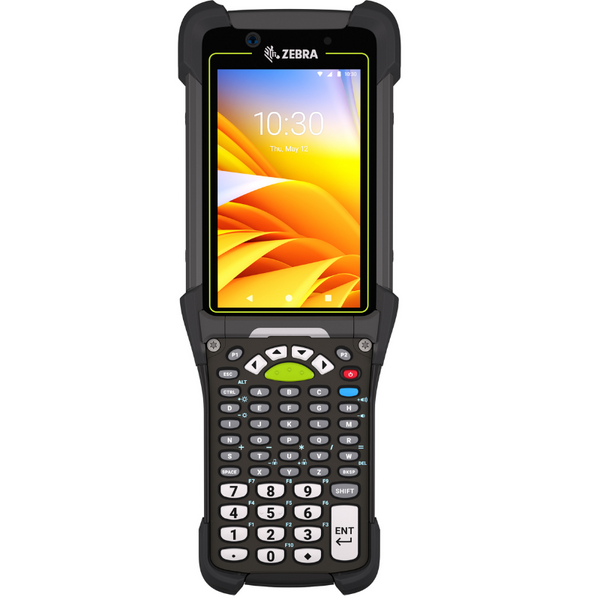
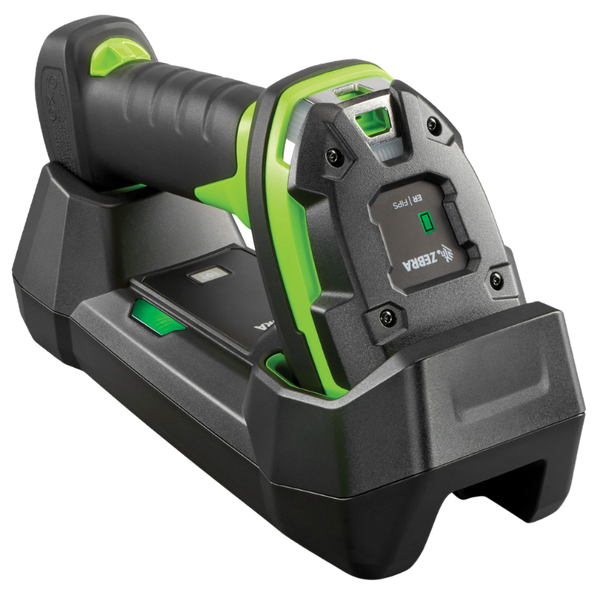
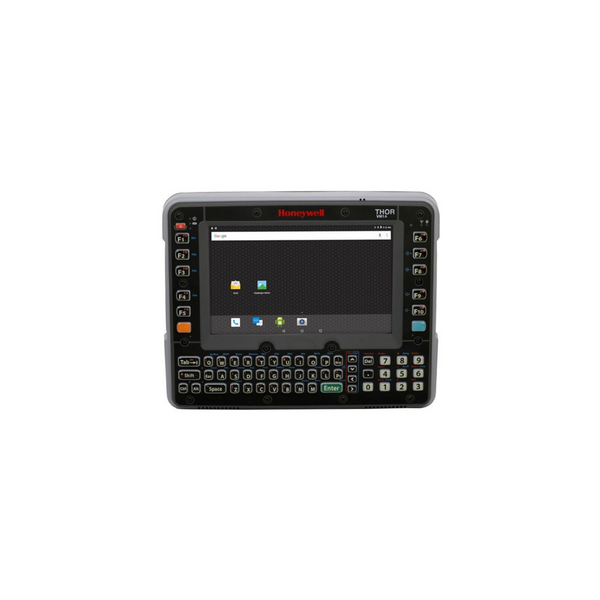
Rugged handhelds, wearables, vehicle terminals and industrial printing specified against the warehouse management system running them. Certified device lists checked before you order, not after.

Checked Against Your WMS Device ListRugged, Freezer and Long-Range OptionsWearables for High-Volume PickingLocation and Rack Labelling Included
Hardware That Keeps Up With Your WMS
How It Comes Together

Specifying Hardware for a WMS Go-Live

A WMS implementation has a date, and hardware is the part that most often slips it. Ordering against a certified device list early is what keeps go-live on schedule.

01

Get the Certified Device List

Most WMS vendors certify specific devices and Android builds. Running an uncertified combination usually means unsupported, and support is exactly what you need during a go-live. This list constrains everything that follows.

What we need from you The WMS name and version, and their certified hardware list if they publish one.
02

Map Devices to Roles

Receiving, picking, replenishment and dispatch are different jobs with different hardware. A picker doing several hundred scans a shift benefits from a wearable; a forklift driver needs a vehicle terminal and long range; a packer needs a fixed station. Count roles, not headcount.

What we need from you How many people work each role, and whether any cover more than one.
03

Label the Building First

A WMS is only as good as its location data, and locations have to be physically labelled before go-live. Rack, bin and floor labels need to be readable from wherever the operator stands, which for high racking means large-format labels and long-range scanning.

What we need from you Your location naming scheme, rack heights and how many locations need labelling.
04

Survey Wireless Coverage

Racking absorbs wireless signal, and a warehouse that had good coverage empty may not once it is full. Dead spots at the far end of an aisle stop operators mid-task, and they will work around it rather than report it.

What we need from you Whether a coverage survey has been done since the racking went in.
05

Stage Delivery to Go-Live

Hardware arriving months early sits in boxes and batteries degrade. Arriving late delays the whole implementation. We can pre-configure devices, stage delivery to your schedule, and hold spares so a failure in week one is a swap rather than a procurement exercise.

What we need from you Your go-live date and whether training happens on the same devices beforehand.

Start hardware conversations at the same time as the software selection, not after. Certified device lists change, lead times move, and a device that was approved last year may not be on this year's list.

Plan a WMS Rollout
Browse the Catalog

Warehouse Management Hardware

Filter by category. We can check any of these against your WMS vendor's certified device list before you order.

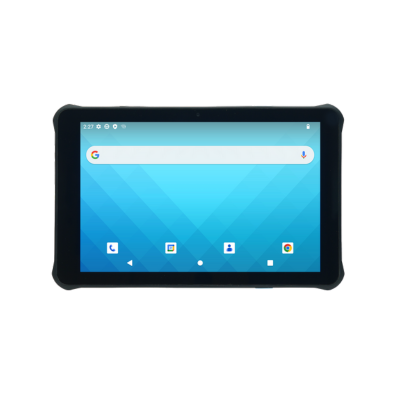
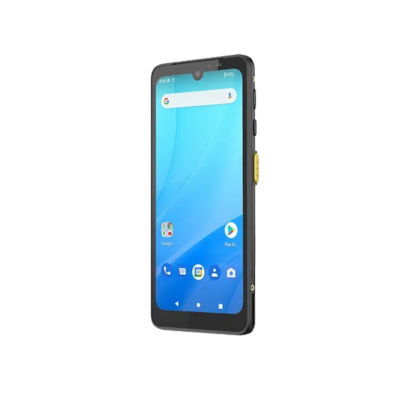
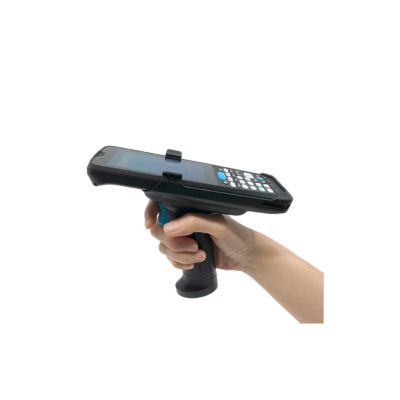
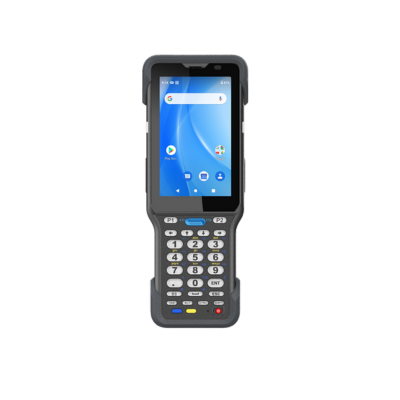
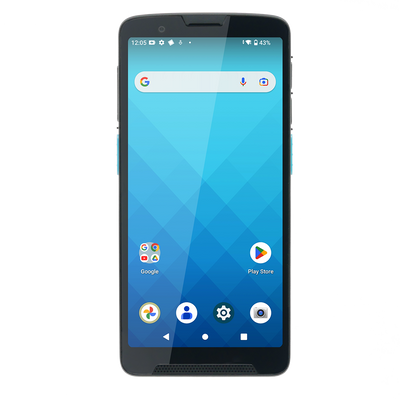
Mobile ComputersWasp, DR6 Mobile Computer

Wasp, DR6 Mobile Computer

Wasp

Wasp DR6 Rugged Android Mobile Computer Introduction The Wasp DR6 Rugged Mobile Computer is a powerful enterprise Android handheld designed...

Starting At

$1,045.00

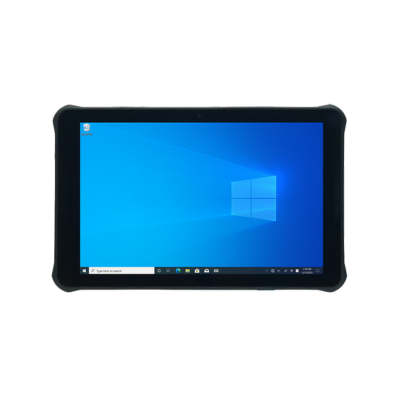
Mobile ComputersUnitech, RT112 Windows Tablet

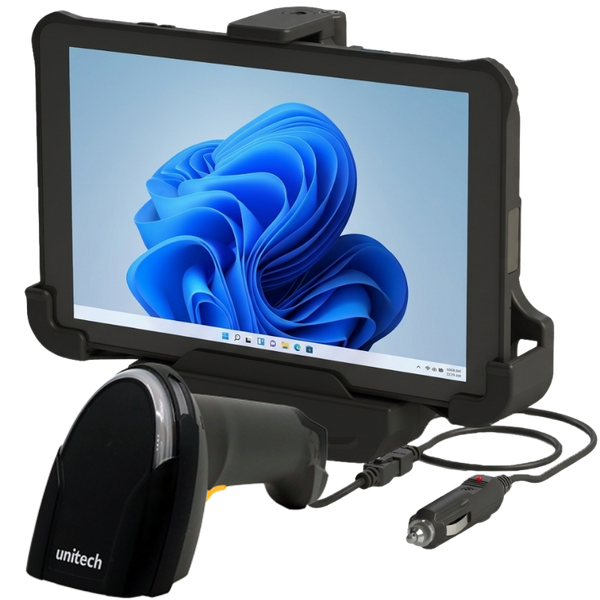
Unitech, RT112 Windows Tablet

Unitech

Enhance indoor operations with the lightweight yet durable RT112 Windows tablet. Featuring a 10.1" touchscreen with 450-nit brightness, Wi-Fi 6E,...

Starting At

$1,144.54

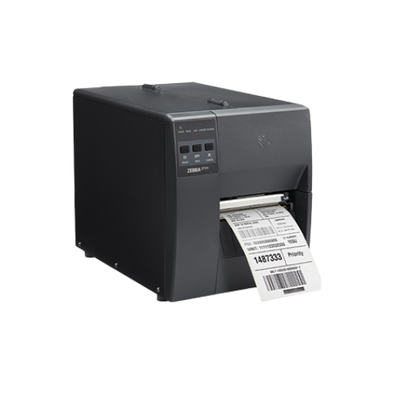
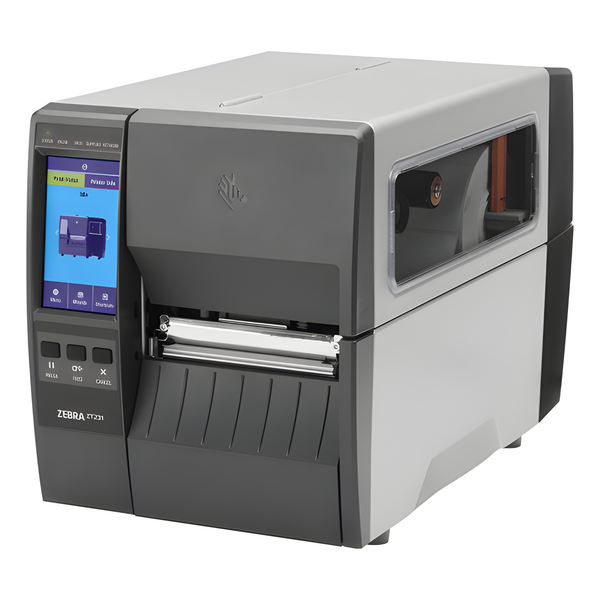
Industrial Label PrintersZebra, ZT111 Label Printer

Zebra, ZT111 Label Printer

Zebra

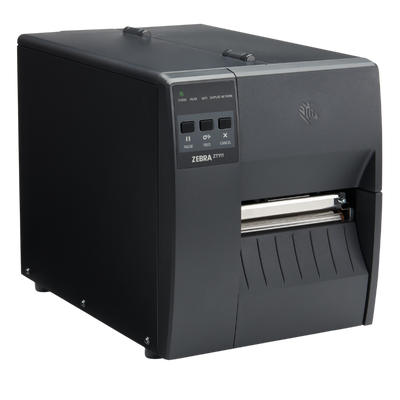
Zebra ZT111 4-Inch Industrial Label Printer Introduction The Zebra ZT111 is an affordable light-industrial barcode label printer designed for businesses...

Starting At

$938.50

No products found.

Select another filter or return to All Hardware.

Complete Systems

Configurations by Warehouse Role

A WMS deployment usually equips three different roles: the operator on foot, the driver on a truck, and the bench that produces the labels everything else depends on.

Receiving and Putaway System
Warehouse SystemReceiving

Receiving and Putaway System

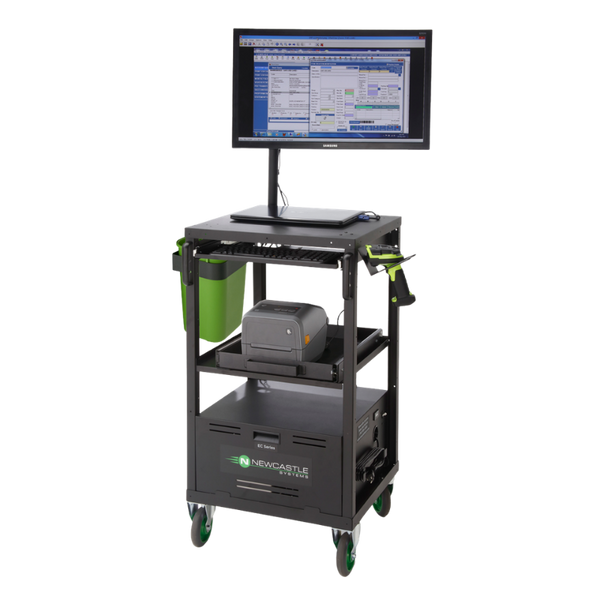
The dock-to-location configuration. A rugged handheld that reads damaged carton labels at receiving, paired with the printer producing location and licence plate labels. Add a powered cart where the labelling happens at the pallet rather than back at a bench.

  • Rugged Android mobile computer with 2D imager
  • Industrial thermal transfer label printer
  • Optional powered mobile cart for labelling at the pallet
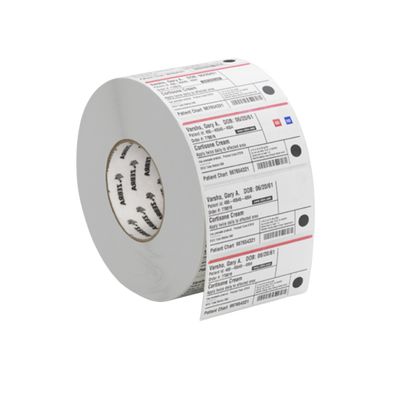
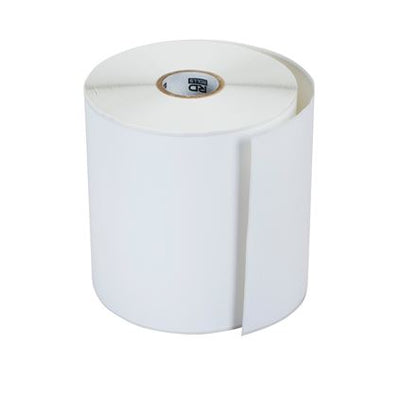
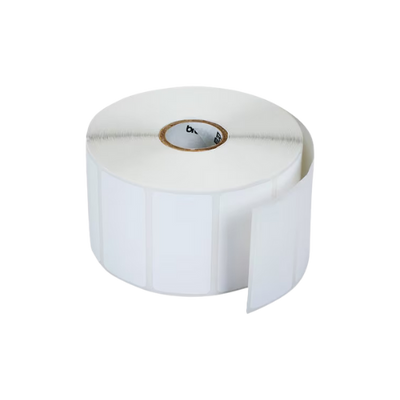
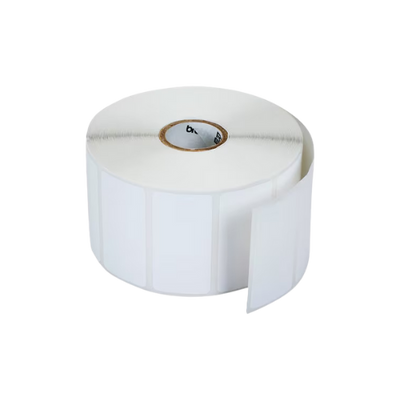
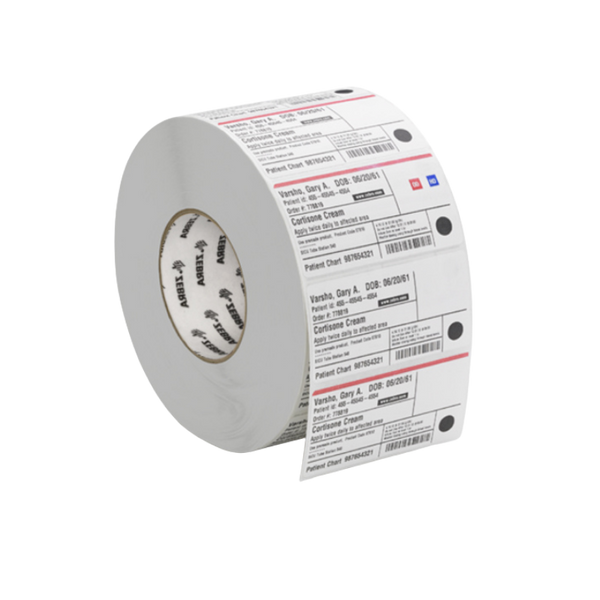
  • Location and carton label stock with matched ribbon
  • Multi-bay charging and spare batteries
Rugged2D ImagerIndustrial PrinterCart OptionDock to Location
Request Receiving System Quote
Forklift and Vehicle System
Warehouse SystemVehicle Mounted

Forklift and Vehicle System

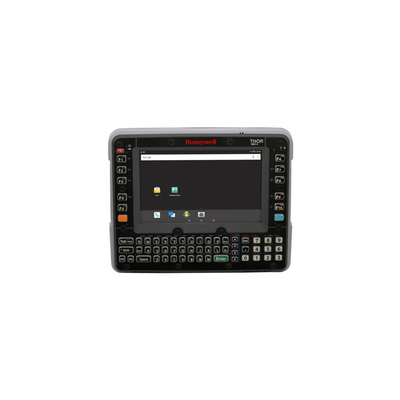
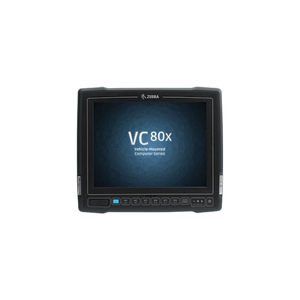
For operators who work from the truck. A vehicle-mounted terminal with a long-range scan engine so rack labels are read from the floor rather than the operator climbing down to confirm a location.

  • Vehicle-mounted computer with heated display option
  • Long-range corded or cordless scanner
  • Vehicle mount, power and cable management
  • Rugged keyboard or glove-capable touch
Vehicle MountedLong RangeGlove CapableCold Storage OptionForklift
Request Forklift System Quote
Warehouse Labelling System
Warehouse SystemLabelling

Warehouse Labelling System

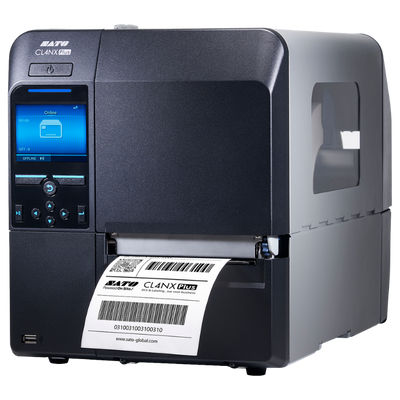
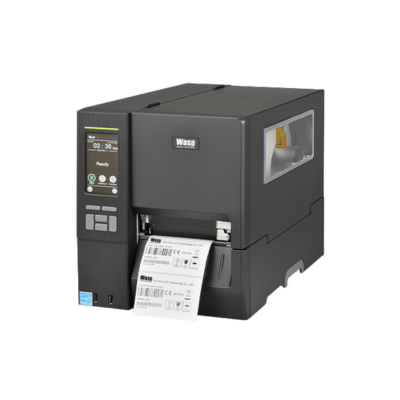
Print and verify in one place. An industrial printer with matched media and a scanner to check what came out, which is how you catch a failing printhead before the carrier does.

  • Industrial 4 inch label printer, 203 or 300 dpi
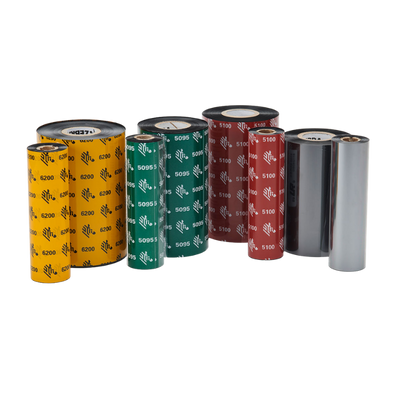
  • Matched labels and thermal transfer ribbon
  • Handheld verification scanner
  • Spare printhead and cleaning supplies
Industrial PrinterMatched MediaPrint VerificationCarrier CompliantShipping
Request Labelling System Quote

Rolling out a WMS across a site?

Tell us the WMS, how many operators need equipping, your rack heights and whether any of the work happens below freezing. We will check the vendor's certified device list, specify devices, printing, charging and media together, and stage delivery to your go-live rather than all at once.

Request a Deployment Plan

WMS Hardware Questions

The questions that decide whether hardware helps a go-live or delays it.

Does our WMS have a certified hardware list?

Most do. Enterprise WMS vendors certify specific device models and often specific Android versions, because their application has been tested against those combinations.

It matters more than it sounds. Running an uncertified device usually means the vendor will not support issues on it, and the first time that becomes a problem is during go-live when you least want an argument about scope.

Send us the WMS name and we will check the current list before you order. Lists change, so a device certified two years ago may no longer be.

Are wearables worth it for picking?

In high-volume picking, usually yes. A ring scanner with a wrist-worn computer removes the pick-up and put-down motion from every scan, and an operator repeats that several hundred times a shift.

Confirm your WMS supports a wearable screen layout first. The display is much smaller than a handheld and some applications assume a full-size screen, which makes them unusable on a wrist device.

What labels do we need for rack locations?

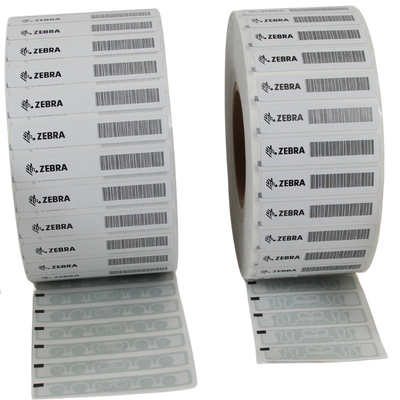
Large-format polyester or polypropylene, printed thermal transfer so they stay readable for years. Size them for the distance they will be read from: a label read from a forklift at height needs to be considerably larger than one at eye level.

Retro-reflective label stock is available where labels are read at long range in poor light, and is worth considering for high racking. Check adhesive against the beam surface, since powder-coated steel and raw steel behave differently.

How long will the devices stay supported?

Ask two questions of any Android device: how long the manufacturer commits to OS and security updates, and how long spare batteries and accessories remain available.

Security support usually runs out before the hardware does, and an unsupported OS becomes a compliance problem in a warehouse handling customer data. Batteries degrade sooner than the device, so a fleet that cannot get replacements is effectively at end of life regardless of condition.

Enterprise devices typically offer four to five years of support. Consumer devices offer far less.

Can we mix device models across the warehouse?

You can, but it costs more than it saves. One model across a site means chargers, batteries, holsters and spares interchange, and an operator covering another area already knows the equipment.

Where roles genuinely differ - a forklift terminal is not a handheld - use different devices by role rather than by purchase date. What causes problems is buying whatever was cheapest each time, which leaves you holding four battery types and no usable spares pool.

Which manufacturers do you carry for WMS deployments?

For mobile computing, Zebra, Honeywell, Datalogic and Unitech. These are the brands most commonly found on WMS certified device lists.

For printing, Zebra, SATO and TSC for industrial location and carton labelling.

We supply hardware for software companies rather than favouring a brand, so we specify against your WMS rather than the other way round.

Hardware Selection Support

Not sure which model is right?

Send us what you are trying to do and we will come back with a specific recommendation rather than a catalogue. If you are replacing equipment, a model number or a photo of the existing setup is usually enough to work from.

  • Solutions experts on staff to answer your hardware questions
  • 30 day return policy, excluding consumables
  • In-stock items ship same day when ordered by 4:00pm Eastern
  • Volume and multi-location pricing reviewed on request

Ask a Question

We usually respond within 10 minutes on weekdays.

We use your details to answer your enquiry and nothing else.