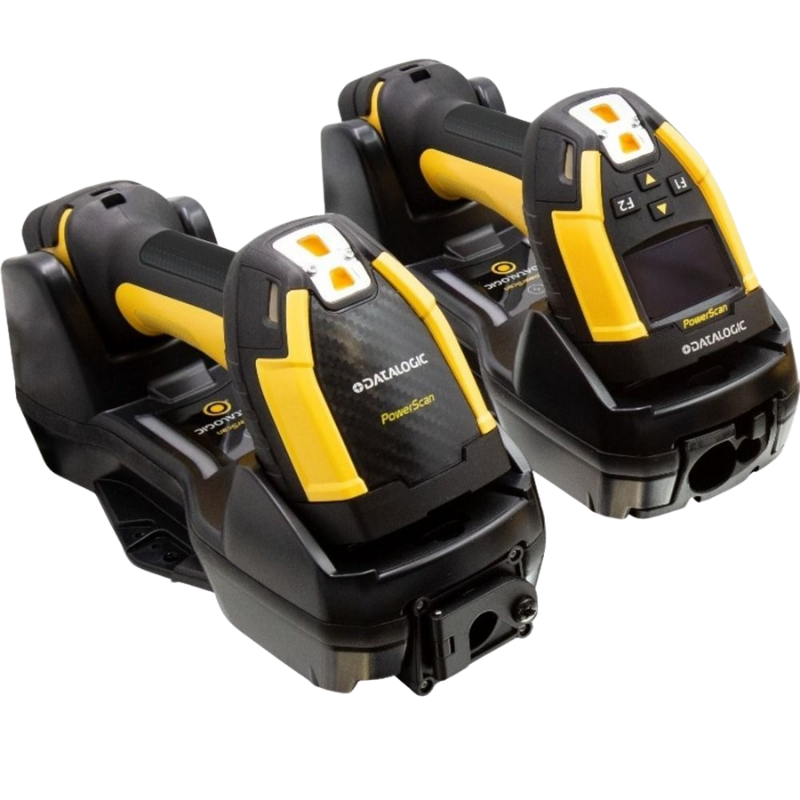
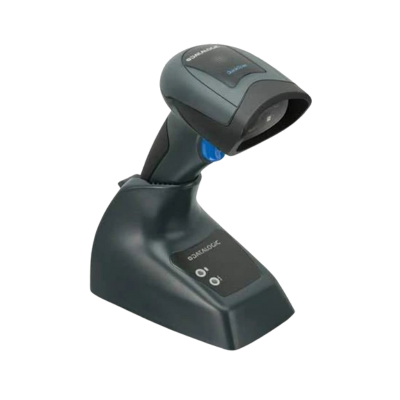
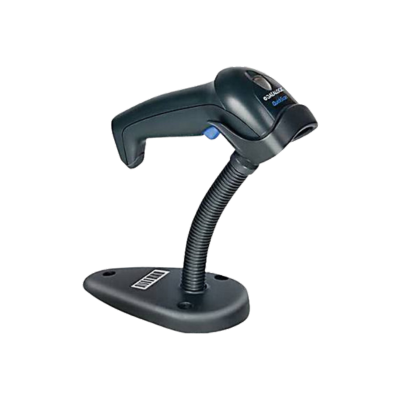
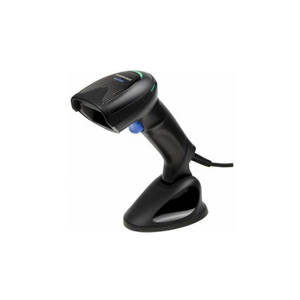
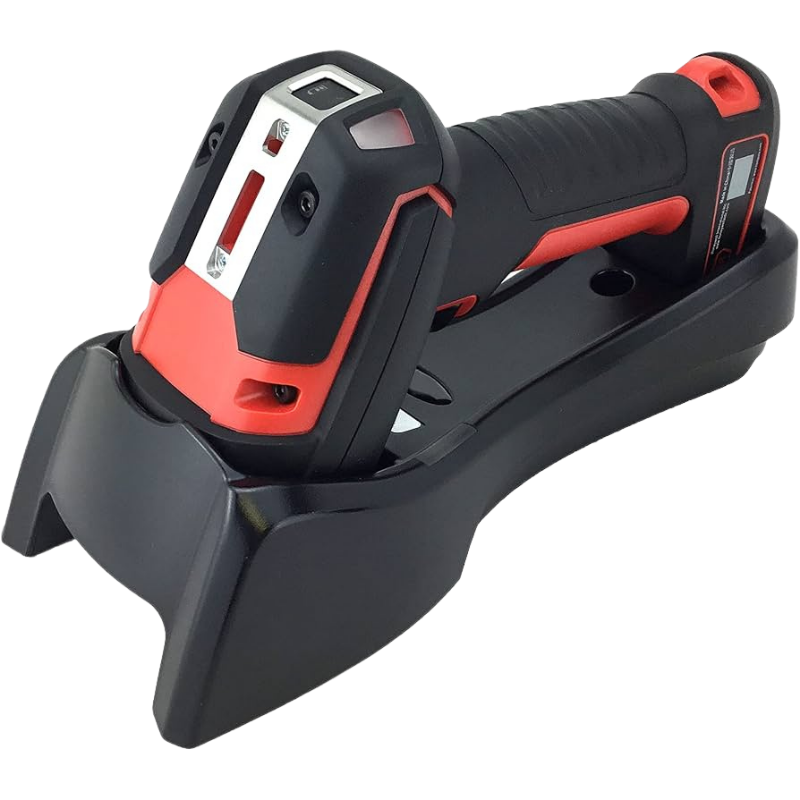
What buyers ask most before choosing a scanner. The short version: confirm the scanner works with your current software before you buy, then match the scan engine and durability to where it will actually be used.
What is the difference between a 1D and 2D barcode scanner?
A 1D laser scanner reads traditional striped barcodes only. A 2D imager reads both 1D and 2D codes including QR codes, Data Matrix and PDF417, and it can read them off a phone screen, which a laser cannot do at all. 2D imagers also read codes at any angle and cope far better with damaged or poorly printed labels. Unless you are certain you will only ever scan printed 1D barcodes, a 2D imager is the safer buy. Confirm your POS or inventory software supports the scanner before ordering, since some platforms only accept data from approved models.
Should I buy a corded or cordless barcode scanner?
Corded scanners never need charging and never go missing, which is why they remain standard at fixed checkout counters. Cordless scanners earn their place when staff walk to the product rather than the reverse, such as aisle lookups, bulky goods or receiving. If you go cordless, plan for the charging cradle and check how the scanner behaves when it leaves range, since better models store scans and upload them on reconnection. Check that your software supports the pairing method, as some platforms handle Bluetooth scanners differently to corded ones.
Do barcode scanners need special software or drivers?
Most scanners work as a keyboard wedge, meaning the computer treats scanned data as if it were typed. That works in almost any application with no driver at all. Some workflows instead need serial emulation, or a prefix and suffix added so the software knows where a scan starts and ends, which is a configuration change made by scanning setup barcodes from the manual. Confirm which mode your software expects before you order, because it determines how the scanner must be programmed rather than which scanner you buy.
How far away can a barcode scanner read?
It depends entirely on the scan engine. A standard-range scanner reads from a few centimetres to around half a metre, which suits a counter. Extended-range and long-range engines read pallet labels from several metres, which warehouses need for rack scanning. Range is also affected by barcode size, since a larger printed barcode can be read from further away. Buying a counter scanner for warehouse work is the most common and most expensive specification mistake we see.
What does an IP rating mean on a barcode scanner?
An IP rating describes resistance to dust and water, and it is paired with a drop specification measured in metres onto concrete. A retail counter scanner may be rated for a 1.2 metre drop and little sealing, which is fine indoors. A warehouse, freezer, kitchen or job site needs a sealed, higher-drop-rated unit, because the replacement cost of an unsuitable scanner compounds fast. If the scanner will be dropped daily, buy for that rather than hoping.
Can a barcode scanner read barcodes from a phone screen?
Only a 2D imager can. Laser scanners cannot read from screens at all, because they rely on light reflecting off a printed surface. If you accept digital loyalty cards, mobile coupons, e-tickets or app-based checkout, a 2D imager is not optional. Screen brightness and cracked glass both affect read reliability, so a good imager with screen-optimised firmware is worth the difference. Verify your software can accept the code format the phone displays as well as the scanner reading it.
Hardware Selection Support
Not sure which model is right?
Send us what you are trying to do and we will come back with a specific recommendation rather than a catalogue. If you are replacing equipment, a model number or a photo of the existing setup is usually enough to work from.
Solutions experts on staff to answer your hardware questions
30 day return policy, excluding consumables
In-stock items ship same day when ordered by 4:00pm Eastern
Volume and multi-location pricing reviewed on request
Ask a Question
We usually respond within 10 minutes on weekdays.
Choosing a selection results in a full page refresh.