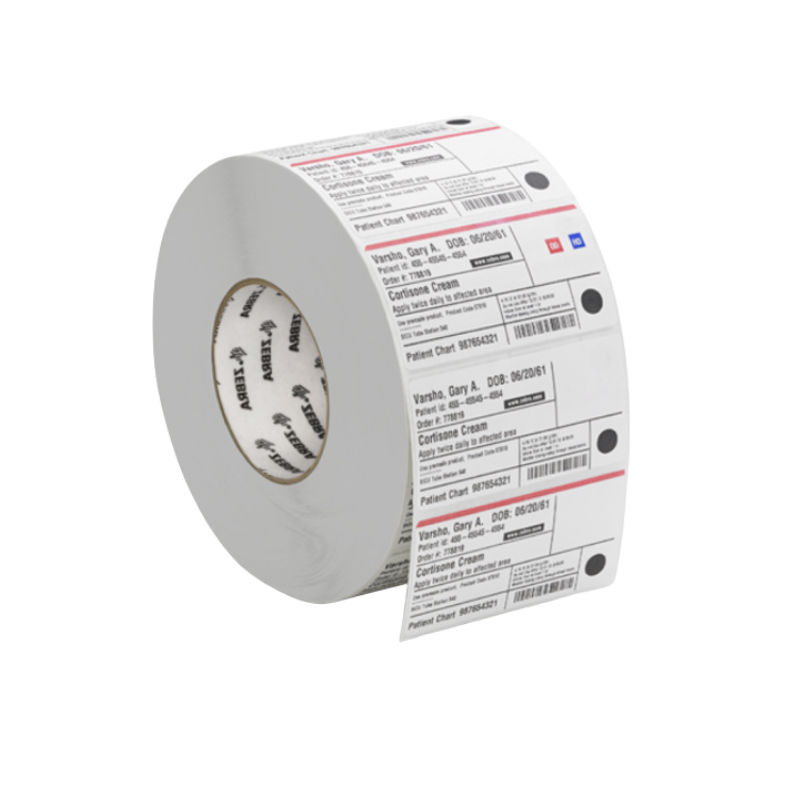
Direct thermal and thermal transfer barcode labels in paper, polypropylene and polyester. Shipping, shelf, asset and freezer-grade stock, ready to ship.
30-Day Return PolicyExcluding consumables
Expert Hardware SupportCompatibility checked before you order
Same-Day ShippingBefore 4 PM ET on in-stock orders
Bulk & Project PricingVolume and multi-location rates
Material, adhesive and print method decide whether a label is still scannable when it matters. Check the media suits both your printer and the surface it goes on, and test on the actual surface before ordering volume.
What barcode label material should I use?
Paper labels suit indoor, short-life applications such as shipping, picking and shelf tags. Synthetic materials like polypropylene and polyester survive moisture, chemicals, abrasion and sunlight, which is what asset tags, outdoor labels and anything going through a wash or freezer needs. The material also has to suit the print method, since synthetic stock generally requires thermal transfer with the correct ribbon rather than direct thermal.
How do I choose the right label adhesive?
Match it to the surface and the intended life. Permanent adhesive is the default for most product and asset labelling. Removable adhesive suits promotional labels and anything peeled off later without residue. Freezer-grade adhesive is needed for cold storage, since standard adhesive fails at low temperature and labels drop off. Textured, curved, oily or low-energy plastic surfaces all need specific adhesives, so test on the actual surface before ordering volume.
What barcode label size do I need?
The barcode has to be large enough for your scanner to read at the distance it will be used. Cramming a barcode onto a small label reduces the bar width, which shortens read range and increases misreads. Four measurements matter when ordering: label width, label length, roll outer diameter and core size, and the last two must suit your printer. Measure an existing label rather than trusting what a previous supplier called it.
Should barcode labels be direct thermal or thermal transfer?
Direct thermal labels darken with heat and need no ribbon, but they fade with time, heat and sunlight, so they suit labels read within months. Thermal transfer uses a ribbon and produces a mark that lasts years. If a label needs to be scannable next year, choose thermal transfer. Buying direct thermal for long-life labelling is the mistake that shows up as blank asset tags eighteen months later.
Can I use generic labels in a branded printer?
Usually yes, provided the dimensions, core and roll diameter match. The practical risk is quality: inconsistent stock and poor liner release cause jams, and abrasive facestock wears the printhead faster, which is expensive since printheads are consumable. Some printers also expect specific gap or notch positioning to detect label breaks. If print quality suddenly degrades after a media change, the media is the first thing to check.
Why are my printed barcodes not scanning?
The usual causes in order: a dirty or worn printhead leaving voids in the bars, darkness set too high causing bars to bleed together, or too low leaving them faint, a barcode printed too small for the scan distance, or the wrong ribbon for the label material. Quiet zones matter too, since a barcode printed edge to edge with no clear margin often fails. Clean the head first, then adjust darkness, then check size.
Hardware Selection Support
Not sure which model is right?
Send us what you are trying to do and we will come back with a specific recommendation rather than a catalogue. If you are replacing equipment, a model number or a photo of the existing setup is usually enough to work from.
Solutions experts on staff to answer your hardware questions
30 day return policy, excluding consumables
In-stock items ship same day when ordered by 4:00pm Eastern
Volume and multi-location pricing reviewed on request
Ask a Question
We usually respond within 10 minutes on weekdays.
Choosing a selection results in a full page refresh.